A poet, columnist, and activist, Hamza was forced into exile for tweeting that he loved the "rebel" in Muhammad but refused to "bow to" and "kiss" him. En route to New Zealand, he was extradited from Malaysia and jailed for two years.
criticizing the Saudi regime in his writing; human rights activism
Hamza Kashgari is a Saudi Arabian poet, writer, and human rights activist. In 2012, he was persecuted, arrested, and imprisoned for a series of blasphemous online messages. It began in February, on Mawlid, the birthday of the Prophet Muhammad, when Hamza posted a series of tweets in which he expressed a reluctance to revere the Prophet without reserve. This sparked outrage among many Muslims and led to death threats.
“On your birthday, I will say that I have loved the rebel in you, that you've always been a source of inspiration to me, and that I do not like the halos of divinity around you. I shall not pray to you.” - tweet from Hamza Kashgari
“On your birthday, I shall not bow to you. I shall not kiss your hand. Rather, I shall shake it as equals do, and smile at you as you smile at me. I shall speak to you as a friend, no more.” - tweet from Hamza Kashgari
Hamza deleted these tweets after seeing the backlash against him, insisting he did not intend to speak poorly of the Prophet. This did not resolve the situation; demands for Hamza’s life were tweeted tens of thousands of times, and a Facebook page calling for his execution received over 26,000 likes. For safety’s sake, Hamza resolved that he would leave Saudi Arabia for New Zealand.
“It’s not logical that, if someone disagrees with the Saudi government, that he should be forced to leave the country. Many of those who have been arrested are fighting for simple rights that everyone should have — freedom of thought, expression, speech and religion.” - Hamza Kashgari
Unfortunately, on a stop in Malaysia, Hamza was found by authorities and extradited back to Saudi Arabia. There, he was imprisoned, and he would not be released until October 2013.
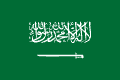
Of Saudi Arabia's 34 million citizens, 85-90% are Sunni Muslim, which, despite nearly a million Christian foreign workers, is the only religion legally allowed to be practiced. It has no written criminal code. Islamic religious law is the law of the land, and blasphemy and apostasy are specifically prohibited and systematically prosecuted. The country is a theocratic monarchy, and under siyasa policy, any act taken by the king must conform to Islamic principles. Islamic scholars, ulema, are directly consulted in the development of legislation.